Updated December 2025: Added new context around HBO’s long-term franchise strategy and future Westeros plans.
When Game of Thrones ended, many believed Westeros had reached its peak. The finale divided fans, trust was shaken, and HBO appeared cautious.
Then House of the Dragon arrived — and everything changed.
The buzz is undeniable: HBO Is Expanding Game of Thrones, capturing the attention of fans worldwide.
Now, HBO isn’t just continuing the franchise. HBO Is Expanding Game of Thrones aggressively.
Multiple new shows, multi-year planning, and a clear long-term strategy through the late 2020s.
So the real question is:
Why is HBO betting big on Game of Thrones and HBO Is Expanding Game of Thrones Again — and why now?
Let’s break it down.
The Turning Point: House of the Dragon Restored Confidence
House of the Dragon did something no one expected:
It revived trust in the franchise.
Not by being bigger — but by being smarter.
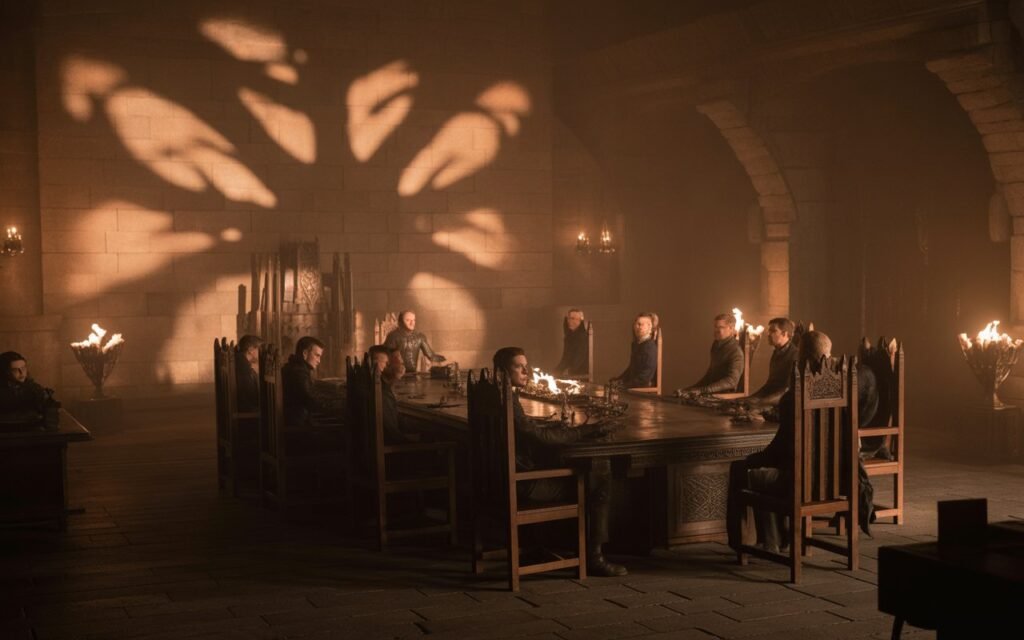
What HBO Learned from House of the Dragon
| Lesson | What Changed |
|---|---|
| Focused storytelling | Smaller cast, deeper arcs |
| Slower pacing | Fewer rushed plotlines |
| Political tension > shock value | Back to early GOT roots |
| Respect for lore | Fans felt “heard” again |
This proved one thing clearly:
The problem wasn’t Westeros — it was execution.
⚔️ HBO’s New Strategy: Expand, But With Control
Instead of launching many shows at once, HBO is now following a phased expansion model.
Confirmed Direction (High-Level)
| Project Type | HBO’s Approach |
|---|---|
| Core prequels | Deep historical eras |
| Character-driven stories | Dunk & Egg style narratives |
| Long-term arcs | Planned seasons, not one-offs |
| Canon-safe storytelling | No timeline chaos |
This is no longer experimentation — it’s franchise architecture.
👑 Why HBO Is Returning to Prequels (Not Sequels)
HBO has deliberately avoided direct sequels to Game of Thrones.
Why Prequels Are the Safer Bet
- The ending controversy is avoided
- The lore is already established
- Outcomes are known, tension is still high
- Fans enjoy seeing “how legends were born”
Prequels allow HBO to:
- Control expectations
- Deliver tragedy without backlash
- Build mythological weight
🧠 A Knight of the Seven Kingdoms: A Strategic Shift
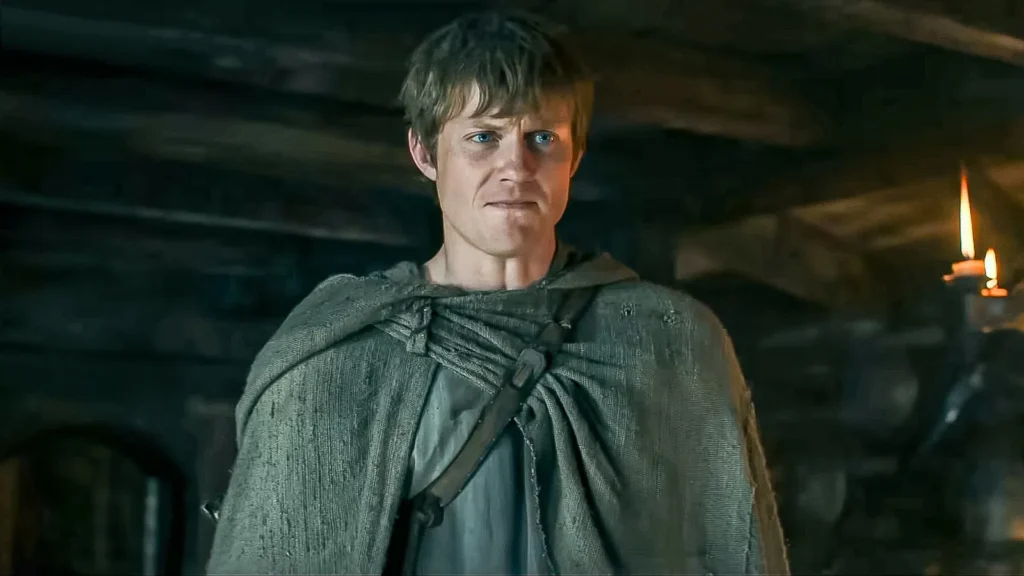
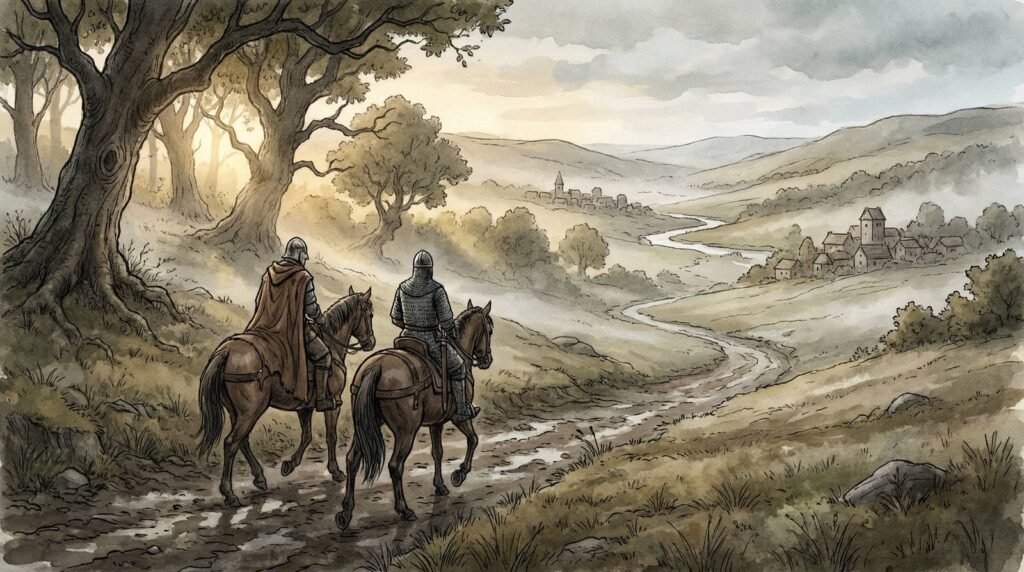
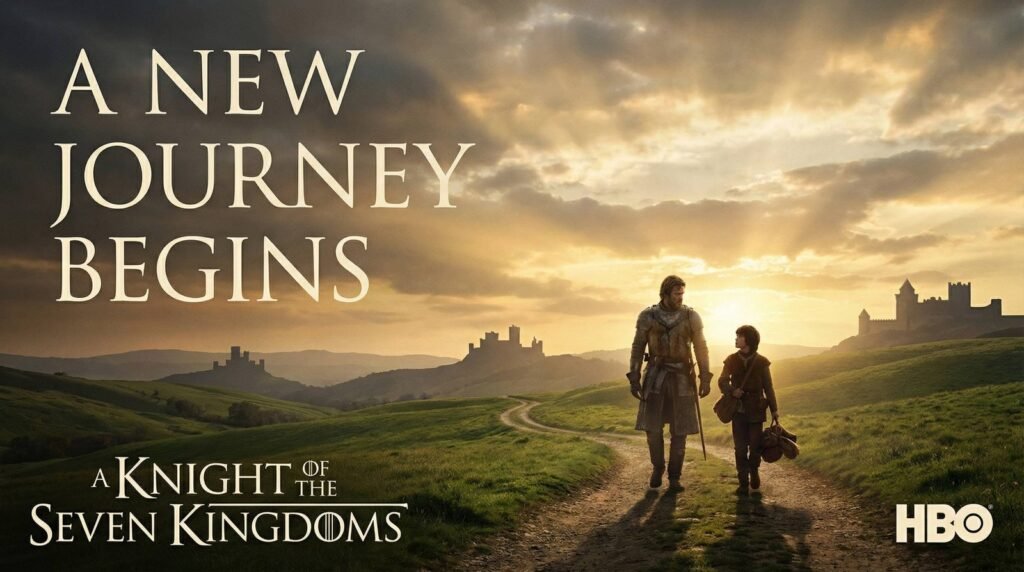
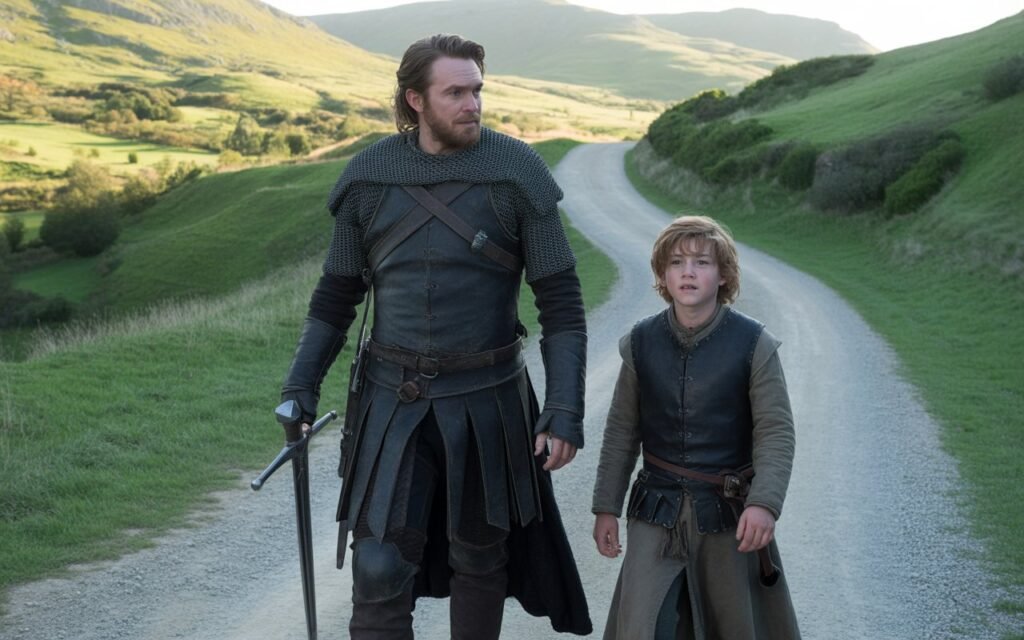
One of the most interesting signs of HBO’s new thinking is A Knight of the Seven Kingdoms.
This show is:
- Smaller in scale
- Less dependent on dragons
- Emotionally grounded
- Character-first
Why This Matters
It signals HBO understands that:
Not every Game of Thrones story needs war, fire, and destruction.
This opens the door to:
- Broader audiences
- Lower production risk
- Longer franchise life
📈 Why Expanding GOT Makes Business Sense (Quietly)
Let’s be honest — this isn’t only about art.
Strategic Reasons HBO Is Expanding Now
| Factor | Why It Matters |
|---|---|
| Streaming competition | Franchise loyalty beats algorithms |
| Global recognition | GOT still dominates pop culture |
| Merchandising | Dragons sell — globally |
| Long-form planning | Reduces risk vs new IPs |
Unlike new fantasy worlds, Westeros already has emotional investment.
🐲 Dragons Are Back — But Used Carefully
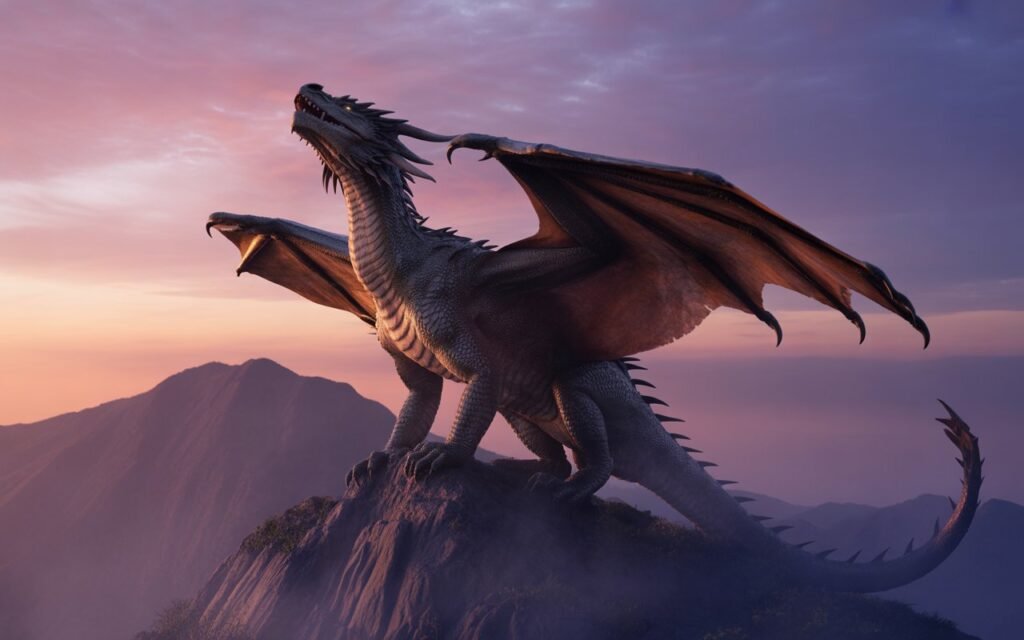
Dragons remain a powerful draw, but HBO is now using them more strategically.
Instead of:
❌ Overusing spectacle
They’re focusing on:
✅ Narrative importance
✅ Political symbolism
✅ Rare, impactful appearances
This restores the awe factor that early GOT fans loved.
🔮 HBO’s Long-Term Vision for Westeros
HBO is no longer chasing viral moments.
It’s building a sustainable fantasy universe.
What’s quietly changed at HBO is not just confidence in House of the Dragon, but clarity about how Westeros fits into the network’s long-term identity. Rather than treating fantasy as an occasional event, HBO now appears to be positioning the Game of Thrones universe as a recurring pillar — one that can anchor multiple years of premium storytelling without oversaturating audiences.
What This Likely Means Going Forward
- Fewer but higher-quality releases
- Clear timelines between shows
- Limited overlap to avoid confusion
- Deep lore consistency
This positions Game of Thrones not as a nostalgia brand — but as a living universe.
🧠 Why Fans Are Responding Positively This Time
The difference is subtle — but crucial.
Then vs Now
| Earlier Era | Current Era |
|---|---|
| Shock-first storytelling | Character-first storytelling |
| Speed over depth | Patience over payoff |
| Surprise endings | Earned conclusions |
| Trend chasing | Legacy building |
Fans aren’t just watching again — they’re investing again.
🏰 Final Verdict: This Expansion Feels Earned
HBO isn’t expanding Game of Thrones because it can.
It’s expanding because it finally knows how.
With:
- Clear creative boundaries
- Strong source material
- Lessons learned from past mistakes
Westeros is no longer being exploited — it’s being rebuilt.
And this time, the foundations look solid.